Join/Renew


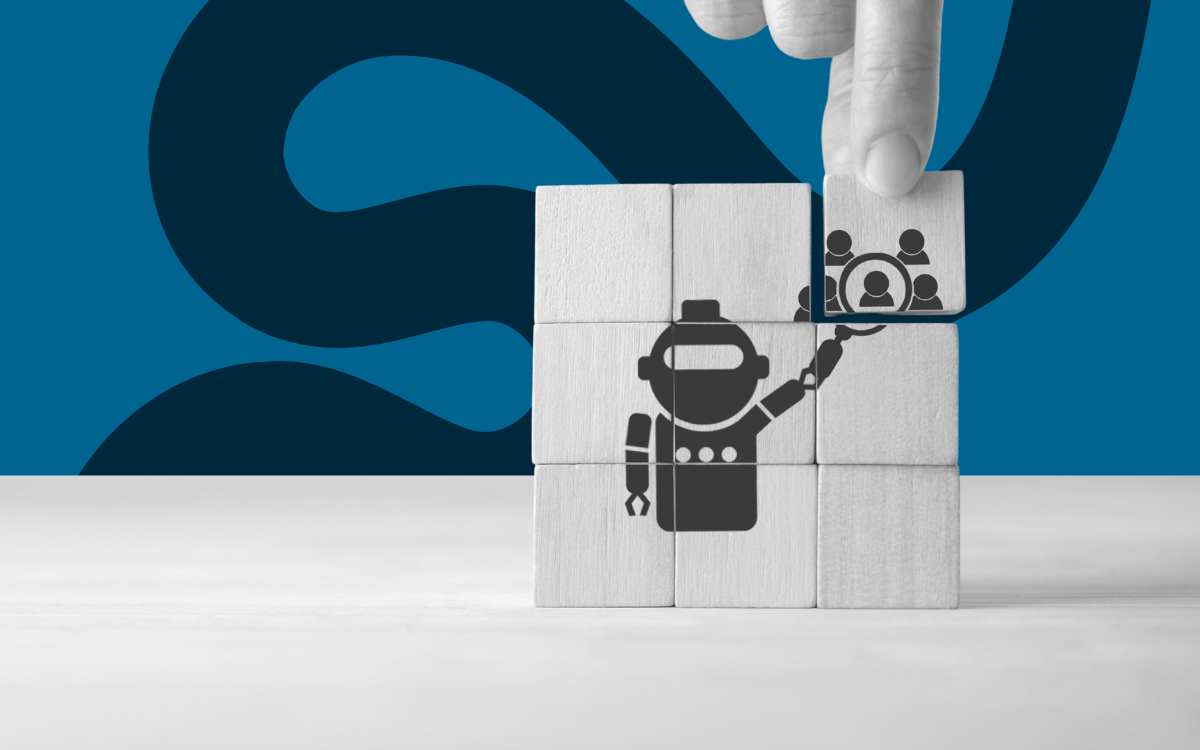


Higher education is asking whether AI will replace student support functions, but the better question is: What does AI reveal about which functions actually matter?
On paper, this is a reasonable concern. Students can create a résumé using AI in seconds, draft a cover letter while replying to a text, and practice interview questions at any time of the day. The output AI provides is polished and typically looks professional.
However, despite increased access to AI tools, career services remain in high demand on campuses, with national benchmarking highlighting sustained operational activity and student engagement across institutions. Research shows that job search anxiety among university students has intensified amid uncertainty in youth employment markets, and student surveys confirm that stress about postgraduation life is extensive (Kwak et al., 2025).
While it may be true that AI can help students produce documents fast, career services are about much more than that. Our role is to not only help students fine-tune employment applications but to also develop the person.
The Human Touch
The best conversations I’ve had with students were not about bullet points on their résumé but instead, about their professional identities, confidence, career direction, and translating their educational journeys into professional narratives.
Questions like:
“What am I actually good at?”
“How do I explain my experience when it feels like I don’t have any?”
“I’m applying everywhere but not getting a response. What is wrong with me?”
AI can certainly offer responses to these questions, but it cannot offer discernment. It doesn’t know the students’ context — even if it can store historical chat information and can be trained. It does not know the hesitation in the minds and voices of students typing in textual prompts. In career advising, the real transformation happens when a student moves from “Tell me what to do” to “I know how to decide.” That shift takes time and a human relationship.
Beyond just conversations, students are indeed showing up with polished AI-generated résumés, but a résumé that looks good is not the same as one that initiates and sustains meaningful conversations. This can actually lead to a new problem: the rise of polished applications, paired with underprepared students.
Yes, students can submit well-written material in applications, but when it comes to interviewing, networking, and articulating value beyond keywords in a document, oftentimes, students may struggle. This is not because they lack potential and intellect but because they haven’t developed the reason behind the AI output.
Career-readiness is not only about writing professional-looking applications. It is about decision-making, communicating under pressure, professional self-awareness, and self-advocacy – all things that cannot necessarily be produced by AI, and even if they could, they may lack credibility.
There is, however, an irony to it all.
While some companies may now rely on AI for the initial screening of applications and recorded interviews, they also want students to feel and act more authentically. Most employers expect students to use AI to some degree, but they’re also becoming more skilled at identifying what is generic, over-engineered content. We’re hearing feedback such as “This reads like a template,” or “They couldn’t explain what they claimed.”
When everyone has access to the same tools, the difference exists in what AI cannot replicate: a personal narrative built from real reflection and real experiences. Some may say that with the appropriate history and prompting, AI can do it. If that’s the case, then why are employers still able to filter out the students who heavily rely on AI for their career-readiness?
Career service professionals help students find their voice.
This especially matters for students who don’t have built-in social capital, such as first-generation students; students navigating career norms for the first time; or academically strong students that may not be able to clearly communicate their strengths. AI can help them draft documents, and career services helps them own their story.
Today, our goal should be to empower students to use AI responsibly, while maintaining that career services professionals will teach them to:
- Use AI for brainstorming, not to replace their own thoughts and voices;
- Verify claims, not create exaggerated skills statements;
- Keep their documents honest;
- Personalize their language to reflect their actual experiences, not ones they believe employers expect; and
- Prepare for interviews in a manner that allows appropriate, genuine, responses when employers probe for depth.
The risk is not that students will use AI – all of us are using AI these days. The risk is that they will use it in ways that hinder their credibility by adopting language that doesn’t reflect their experiences and their own voices.
This is where our role as career services administrators really comes in. The best career centers are not document/résumé factories. They’re spaces where students develop holistically: building career literacy, self-awareness, transferable skills, professional confidence, and resilience. These require guidance, practice, and perseverance. And that is exactly what AI cannot replicate: the human development that happens when a student is seen, challenged, coached, encouraged, and held accountable over time.
What Can Institutions Do?
Institutions don’t need career centers with better templates. They need career development that is more integrated and more intentional. Some ideas for this are:
- Embedding career development early. Not as a senior-year emergency but as a first-year foundation.
- Connect career readiness to learning outcomes. Students should be able to name the skills they’re developing in the classroom and articulate them beyond academic language.
- Resource career centers as essential infrastructure. If employability and student outcomes matter institutionally, career support cannot be treated as optional.
- Help students build evidence, not just narratives. Portfolios, projects, internships, job shadows, and field experiences are proof they can do the work.
- Teach AI literacy alongside career literacy. Empower students to use this tool ethically, strategically, and in a way that strengthens, not replaces, their thinking.
AI will continue to change how students search for and apply to jobs, and how they present themselves to employers. That change is not something higher education can ignore, but if AI can write a résumé and conduct a mock interview, then career services has an even more important job: ensuring students have something real to say. The future of employability isn’t about perfect wording; it’s about readiness, credibility, and human capability.